Get Emergency Tree Removal
Emergency Tree Removal services connect property owners with local contractors who safely remove damaged, fallen, or hazardous trees to protect property and ensure safety.
When facing the need for emergency tree removal, property owners often seek reliable local contractors to address urgent safety concerns or prevent property damage. Whether a storm has caused a tree to become unstable or a hazardous limb threatens structures or power lines, timely and professional intervention can make a significant difference. This page is designed to help you explore your options and connect with experienced service providers who can handle urgent tree removal needs efficiently and safely.
Planning for tree removal projects involves comparing local contractors to find those best suited for your specific situation. By reviewing available options in the area, property owners can make informed decisions about which service providers have the expertise and resources to manage emergency situations effectively. Keep reading to learn more about how local pros can assist with urgent tree removal and ensure your property remains safe and secure.
- Emergency Tree Removal - needed when a tree poses an immediate threat to property or safety after a storm or damage.
- Storm Damage Cleanup - required when fallen or damaged trees need prompt removal following severe weather events.
- Hazard Tree Assessment - necessary when trees show signs of instability or disease that could lead to sudden failure.
- Dead Tree Removal - needed to eliminate trees that are dead or dying to prevent potential hazards.
- Uprooted Tree Extraction - required when a tree has been uprooted and needs to be safely removed from the property.
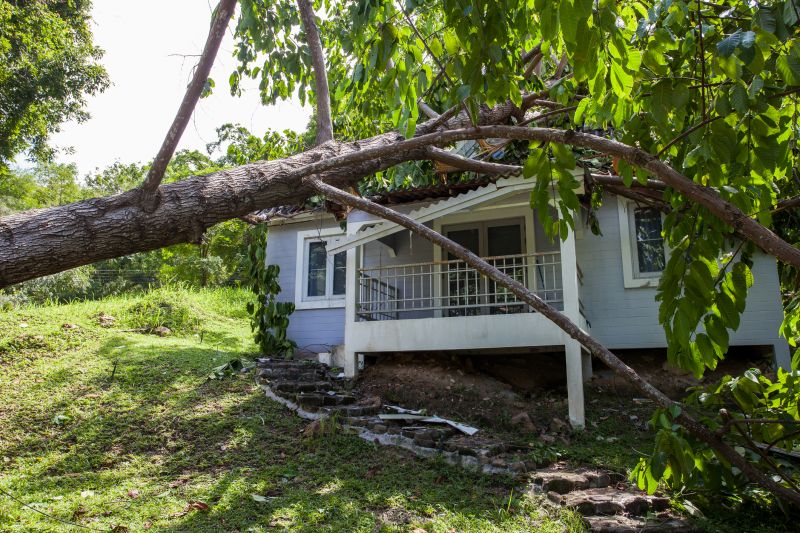
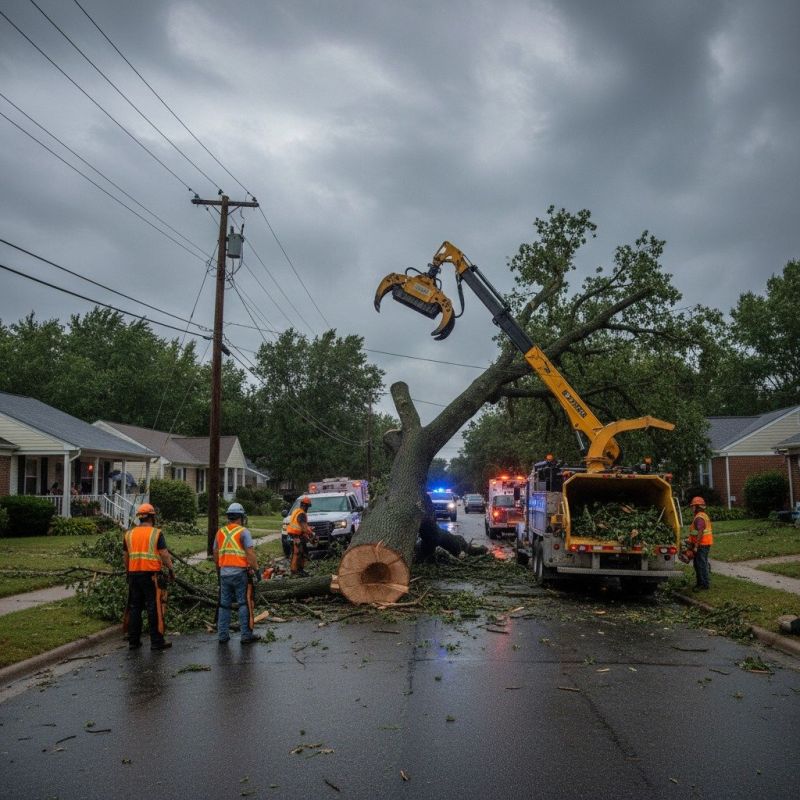
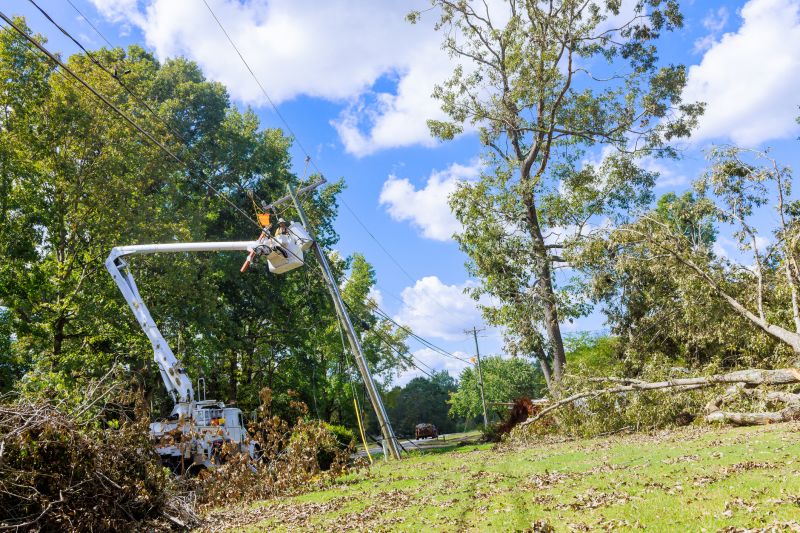
Emergency tree removal services involve the quick and safe removal of trees that pose immediate risks to property or safety. When a tree has fallen, is severely damaged, or is showing signs of imminent failure, professional contractors can assess the situation and perform the necessary work to eliminate the hazard. These services typically include cutting away dangerous branches, safely dismantling unstable trees, and removing debris to prevent further damage or injury. Timely intervention by local service providers can help prevent accidents and minimize property damage caused by unexpected tree failures.
This service is essential in addressing a variety of urgent problems. Storms, high winds, heavy snow, or ice can weaken trees or cause branches to break, leading to dangerous situations. Diseased or decayed trees may suddenly become unstable, threatening nearby structures, power lines, or pedestrians. Emergency tree removal also helps clear fallen trees blocking driveways, roads, or access points, ensuring that emergency responders and homeowners can move freely and safely. Acting quickly with professional help can reduce the risk of injury, damage, or costly repairs resulting from falling or unstable trees.
Properties that often require emergency tree removal include residential homes, commercial buildings, and public spaces. Homes in areas prone to severe weather events are particularly vulnerable to storm damage, making prompt removal of hazardous trees a priority. Commercial properties, parks, and community spaces also benefit from rapid response to tree emergencies to maintain safety and accessibility. Regardless of property type, any location where a tree’s instability could impact people or structures may need immediate professional intervention to remove the threat efficiently and safely.
Local contractors offering emergency tree removal services are equipped to handle a range of urgent situations across different property types. They use specialized tools and techniques to quickly assess the condition of trees and determine the safest way to remove them. These service providers focus on minimizing disruption and ensuring that the work is completed efficiently, whether the situation involves a fallen tree blocking a driveway or a leaning tree threatening a building. Contacting experienced local pros can help property owners address urgent tree hazards swiftly, protecting both people and property from preventable harm.
The overview below groups typical Emergency Tree Removal projects into broad ranges so you can see how smaller, mid-sized, and larger jobs often compare in your area.
In many markets, a large share of routine jobs stays in the lower and middle ranges, while only a smaller percentage of projects moves into the highest bands when the work is more complex or site conditions are harder than average.
Small Tree Removals - typical costs range from $250 to $600 for many smaller jobs, such as removing a single, low-risk tree. Most routine projects fall within this range, though prices can vary based on tree size and location.
Medium Tree Removals - larger trees or those in more challenging locations often cost between $600 and $1,500. These projects are common and represent the middle of the pricing spectrum for local contractors.
Large or Hazardous Tree Removals - complex or high-risk removals can range from $1,500 to $3,000 or more, especially for trees near structures or power lines. Fewer projects reach this tier, but costs can increase with difficulty.
Full Tree Removal and Stump Grinding - complete removal, including stump grinding, typically costs between $300 and $800 per tree. Larger or multiple-tree projects may cost more, depending on scope and site conditions.
Actual totals will depend on details like access to the work area, the scope of the project, and the materials selected, so use these as general starting points rather than exact figures.
Tree pruning and trimming - involves precise cutting and removal techniques similar to emergency tree removal to ensure safety and health of trees.
Stump grinding and removal - requires specialized tools and planning to safely eliminate tree stumps after removal, paralleling emergency tree work.
Storm damage cleanup - includes clearing fallen branches and debris, which often overlaps with emergency tree services in urgent situations.
Land clearing and site preparation - involves removing trees and brush to prepare properties, sharing skills in safe and efficient tree removal practices.
Hazard assessment and risk mitigation - entails evaluating trees for potential dangers, a key step in planning emergency tree removal projects.
Tree cabling and bracing - involves installing support systems to stabilize weak or damaged trees, requiring similar planning and safety considerations as emergency removals.
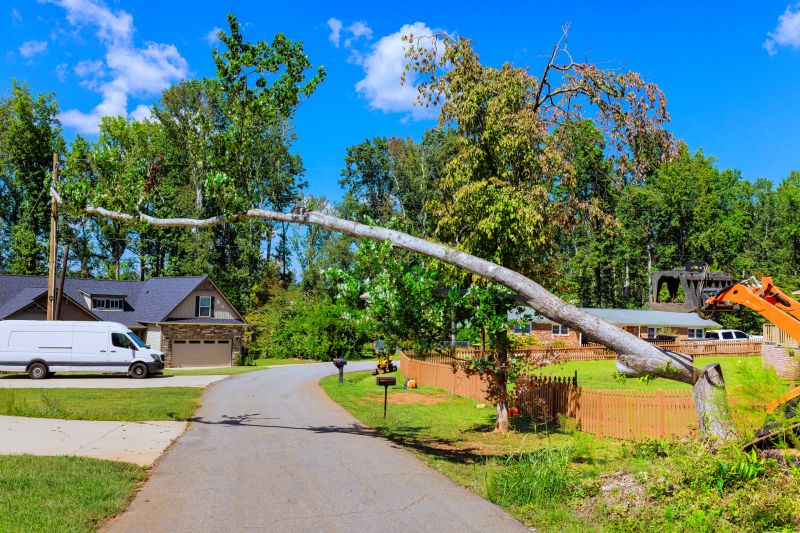
When comparing service providers for emergency tree removal, it’s important to consider their experience with similar projects. Homeowners should look for local contractors who have a proven track record handling urgent or complex tree removal jobs. An experienced provider will be familiar with the challenges that can arise during emergency situations and will be better equipped to handle unexpected issues efficiently and safely. Gathering information about their past work can help determine if a contractor has the practical knowledge needed to manage jobs of comparable scope and difficulty.
Clear written expectations are essential when evaluating potential service providers. Homeowners should seek out detailed estimates or scope of work that outline what will be done, the materials or equipment used, and any guarantees or warranties offered. Having a transparent understanding of the services ensures there are no surprises and helps set realistic expectations from the outset. Reputable local contractors will be willing to provide this information upfront, making it easier to compare options based on the scope and clarity of their proposals.
Good communication and reputable references are key indicators of a reliable service provider. Homeowners are encouraged to ask for references from previous clients, especially those who had similar emergency tree removal needs. Listening to feedback about the contractor’s responsiveness, professionalism, and ability to complete the work as agreed can offer valuable insight. Effective communication throughout the process-whether through prompt responses or clear explanations-also contributes to a smoother experience. Since the site introduces homeowners to local options, it’s helpful to consider these factors to find a dependable service provider capable of addressing urgent tree removal needs efficiently.
Property owners use Emergency Tree Removal services for practical projects around their homes and businesses. This guide focuses on everyday jobs and straightforward project options.
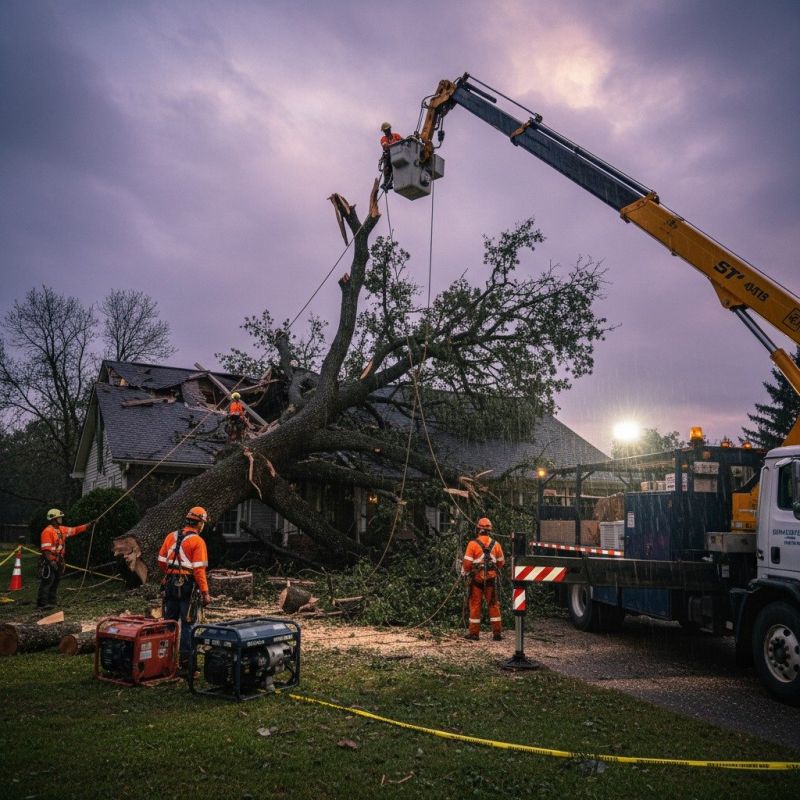
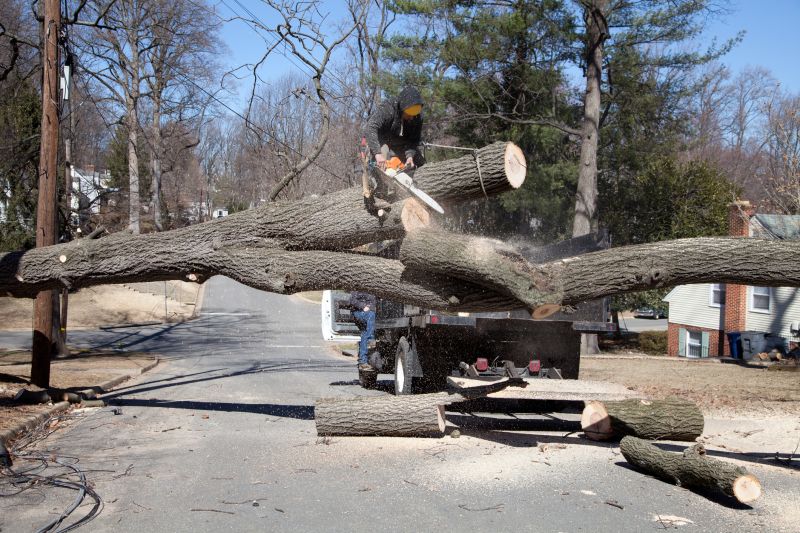
Emergency tree removal services are often needed when a tree has become hazardous due to storm damage, disease, or decay. Property owners may seek out local contractors to quickly address fallen branches or unstable trees that pose a risk to people, vehicles, or structures on the property. These situations typically require prompt action to prevent further damage or injury, making it important to connect with experienced service providers who can handle urgent removals efficiently.
In addition, property owners might look for emergency tree removal when a tree is leaning dangerously or has partially fallen, blocking driveways or access points. Storms and high winds are common triggers for these urgent situations, prompting homeowners and business owners to find local contractors capable of safely removing compromised trees and clearing the area. Quick response from qualified service providers helps restore safety and access to the property without delay.
What situations require emergency tree removal? Emergency tree removal is typically needed when a tree poses an immediate risk due to storm damage, disease, or structural instability that could lead to falling and causing damage or injury.
How do I know if a tree needs urgent removal? Signs include large, hanging branches, cracks in the trunk, leaning trees, or visible damage after a storm, indicating the tree may be at risk of falling.
Are local contractors equipped for emergency tree removal? Yes, many local service providers are experienced in handling urgent tree removal situations safely and efficiently.
What types of equipment do service providers use for emergency removal? They typically utilize chainsaws, cranes, and safety gear to quickly and safely remove hazardous trees or branches.
How can I find qualified local contractors for emergency tree removal? You can compare and connect with local service providers through platforms that specialize in matching customers with experienced tree removal professionals.
Storm Damage Cleanup - After a storm, property owners can have damaged or fallen trees removed to prevent further property damage or hazards.
Hazardous Tree Removal - When a tree shows signs of disease or instability, local contractors can safely remove it to protect nearby structures and people.
Landscape Preservation - Removing problematic trees can help preserve existing landscaping and maintain the overall aesthetic of a property.
Property Clearance - Clearing dead or overgrown trees can improve visibility and accessibility around a home or commercial property.
If you are thinking about Emergency Tree Removal for a property, this guide is meant to help you understand the work, the typical project types, and how different options might fit your plans.
When you are ready, you can use the quote form on this page to share a few details about your project. From there, local pros can review the basics and respond with options that match what you have in mind.